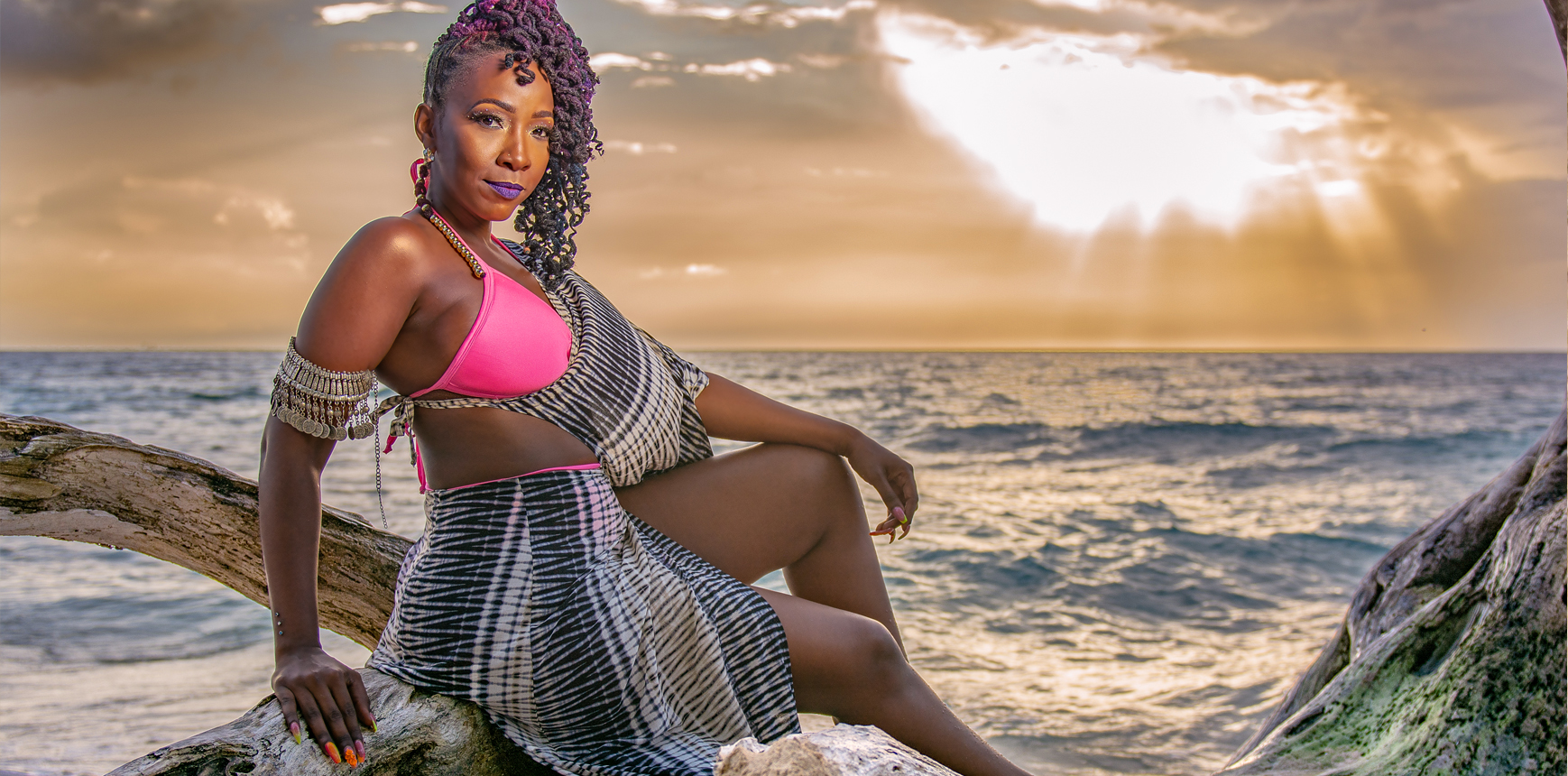
In a previous post, I briefly mentioned H.D.R. while referring to a type of processing that brings out shadow and highlight detail, however, I did not mention in detail what H.D.R. is and we will cover that in this post.
First, let us look at what H.D.R. means, it is an acronym for High Dynamic Range, put simply it shows more detail for a wider range of light values. When you set your exposure value in-camera, it will be able to see detail in everything for that exact exposure and everything close to seven stops (units) of light brighter and everything seven stops of light darker. Anything brighter than seven stops will be blown out or too bright to have detail, and anything darker than seven stops will go all black.
When creating an HDR, the photographer will take multiple photos at different exposure values (brighter and darker) than the perceived perfect exposure, and then merge then taking the best parts of each to ensure detail can be seen in the shadow (dark) and highlight (bright) areas. This is usually done automatically via software and the photographer/editor will tweak the software adjustments to ensure the photograph is done to their liking.
You might wonder why you would want to see more shadow or highlight detail, and there are multiple reasons. One reason is to bring the viewer something as close to what they can see with their eyes, the human eye sees about twice the light range that the average camera can see. An easy way to tell this is to look at a scene and then take a photo of that scene. If you are outside, pay attention to the sky and shadow under a car or the shadow of a building, while your eyes can see the detail in both your photo will either have less detail in the clouds (if you can see detail in the shadow) or less detail in the shadow if you have exposed to see the brighter details.
Another reason for HDR is colour. HDR allows for richer colours in your images, for example, if your sky is a little overexposed it will be a lighter blue and the brighter it gets the more it turns white, likewise, if you are exposing for your sky, then things like the greens in trees will tend to go dark and towards black. HDR photos allow you to keep the richness in the various lighting conditions that may exist in your scene.
One more reason for creating HDR is an artistic expression. Based on how you ‘cook’ your image with the editing software you can take your HDR in multiple directions, from photo-realistic to a gritty almost painted look, it can even give a flat look while still bringing out all your details the possibilities are too numerous to mention.
Some cameras (and phones) have an HDR mode that you can try out, what this does is like what we discussed before, but the camera does all the processing for you, give it a try might be pleasantly surprised by the difference.
If you have any questions, or you would like to see an example of how HDRs are created send us a note on our Contacts Page and I will be sure to post more.